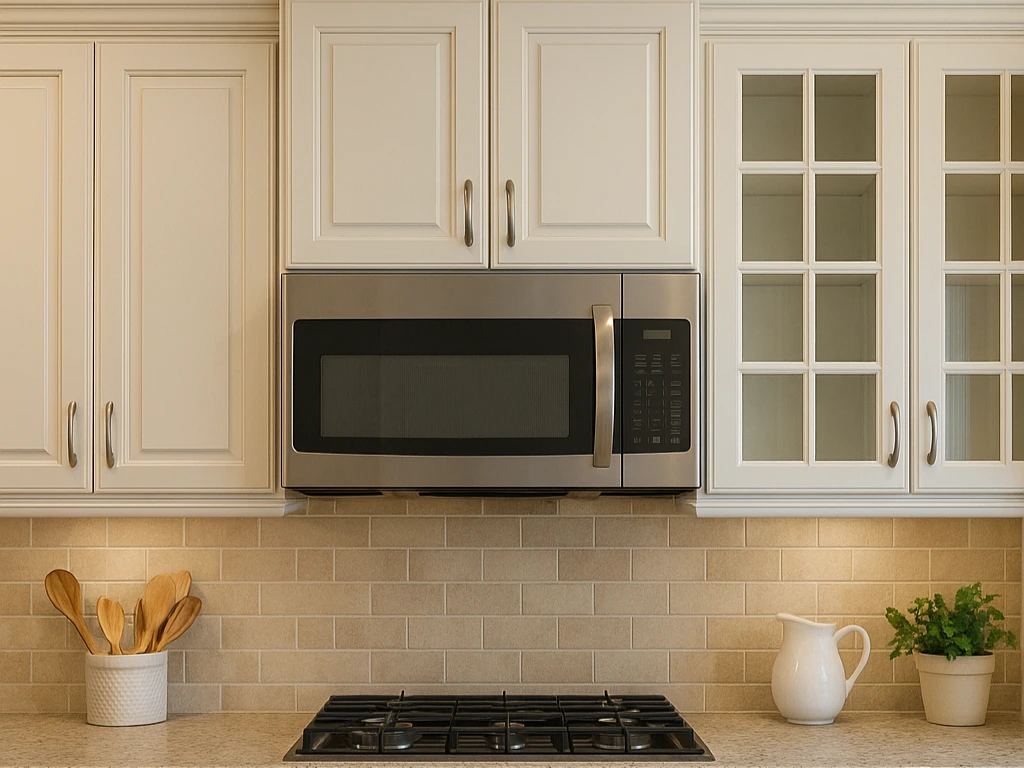
When it comes to kitchen design, upper kitchen cabinets can be both a functional necessity and a style statement. These cabinets not only serve as a storage solution but also contribute significantly to the visual appeal of your kitchen. Whether you have a small kitchen or a spacious culinary space, the right cabinet choices can make a world of difference. The art of selecting upper kitchen cabinets lies in balancing practicality with aesthetics, ensuring that your kitchen is both efficient in storage and pleasing to the eye. This article will explore ideas for maximizing space and style with upper kitchen cabinets, including small upper cabinets, modern kitchen cabinets, and kitchen wall units.
Upper kitchen cabinets serve several purposes. They provide essential storage for dishes, glassware, and pantry items while also contributing to the overall aesthetic of your kitchen. The strategic placement and thoughtful design of these cabinets can transform a cluttered space into an organized haven. By carefully selecting and organizing your upper cabinets, you can create a kitchen that is both efficient and stylish.
The visual impact of upper cabinets should not be underestimated. They occupy a significant portion of wall space and can either enhance or detract from your kitchen’s overall design. Choosing the right materials, colors, and styles can set the tone for your kitchen, making it warm and inviting or sleek and modern. Additionally, well-organized cabinets can improve the functionality of your kitchen by providing easy access to frequently used items, reducing the time you spend searching for cookware or ingredients.
If you have a small kitchen, maximizing your space with small upper cabinets is crucial. These cabinets can be installed above countertops and appliances, making use of vertical space that might otherwise be wasted. The key is to utilize every inch without overwhelming the room’s aesthetics. Consider using open shelving for a modern, airy feel, which can also encourage you to maintain a clutter-free environment. Alternatively, opt for closed cabinets to keep things looking neat and tidy, providing a streamlined appearance that hides the chaos often associated with small spaces.
In compact kitchens, the choice of cabinet color and finish is also vital. Lighter shades can make a small space feel larger and more open, while reflective surfaces can enhance this effect by bouncing light around the room. Additionally, incorporating multi-functional elements, such as a built-in spice rack or a pull-out pantry, can enhance the utility of your small upper cabinets without sacrificing precious space.
Tips for Small Upper Cabinets:
- Utilize Adjustable Shelves: Adjustable shelves allow you to customize the interior of your cabinets to fit your needs, accommodating items of various heights. This flexibility ensures that every item has its place, from tall cereal boxes to short spice jars.
- Opt for Glass Doors: Glass doors can make a small kitchen feel larger by adding depth and allowing you to showcase attractive dishware. They also encourage you to keep your cabinets tidy since everything is on display.
- Consider Vertical Dividers: These can help organize cutting boards, baking sheets, and trays, making them easier to access. Vertical dividers make it simple to store these items upright, preventing them from cluttering your cabinet space and allowing for easy retrieval.

Stylish Wall Cabinets for a Modern Kitchen
Wall cabinets are a staple in modern kitchen design, offering both functionality and style. Modern kitchen cabinets often feature sleek lines, minimal hardware, and high-gloss finishes. These elements combine to create a clean, sophisticated look that complements contemporary homes. Here are some ideas to incorporate modern elements into your kitchen wall cabinets:
Integrating Modern Design Elements
- Handleless Doors: For a clean, contemporary look, consider handleless kitchen cupboard walls. Push-to-open mechanisms or integrated handles can streamline the appearance of your cabinets, offering a seamless and clutter-free design.
- High Gloss Finishes: These finishes reflect light, making your kitchen appear brighter and more spacious. They also add a touch of luxury, transforming the kitchen into a sophisticated gathering place.
- Bold Colors: Don’t shy away from bold colors for your kitchen wall cabinets. Deep blues, forest greens, or even black can add a sophisticated touch to your kitchen. These colors can serve as a focal point, adding personality and depth to your space.
- Contrasting Textures: Pair matte and glossy finishes or mix wood grains with painted surfaces for visual interest. This combination can create a dynamic and engaging environment, highlighting different elements of your kitchen’s design.
Creative Ideas for Top Kitchen Cabinets
The area above your countertops offers a prime opportunity to maximize storage and style. Top kitchen cabinets can be designed to suit your specific needs and preferences. By thinking creatively, you can transform this often-overlooked space into a functional and beautiful part of your kitchen.
Utilizing Topper Cabinets
Topper cabinets, or small cabinets installed above the main upper cabinets, provide additional storage for items that are not used daily. These are perfect for seasonal dishes, large serving platters, or small appliances. By elevating these items, you free up more accessible space for everyday essentials.
- Add Lighting: Under-cabinet lighting can illuminate your countertops while adding ambiance. Consider LED strips for an energy-efficient option. This lighting not only makes it easier to see what you’re doing but also adds a warm and inviting glow to your kitchen.
- Display Space: Use open topper cabinets to display decorative items, such as plants, artwork, or special dishware, adding a personal touch to your kitchen. This display can reflect your personality and style, making your kitchen a unique reflection of your taste.
Enhancing Functionality with Kitchen Wall Units
Kitchen wall units are versatile components that can enhance the functionality of your space. These units often combine cabinets with open shelving, providing storage and display options. By incorporating wall units, you can create a kitchen that is both organized and visually appealing.
Designing Kitchen Wall Units
by Jason Leung (https://unsplash.com/@ninjason)
- Incorporate Open Shelving: Open shelving within a wall unit can break up the visual bulk of cabinets and provide a convenient spot for frequently used items. This design choice can make a kitchen feel more open and accessible, encouraging a casual and inviting atmosphere.
- Mix and Match: Combine different cabinet styles within your wall unit for a custom look. For example, mix glass-front cabinets with solid doors for a balanced design. This approach allows you to showcase certain items while keeping others hidden, offering flexibility in your kitchen’s appearance.
- Add a Backsplash: Extend your kitchen backsplash behind open shelving for a cohesive look that ties your kitchen design together. This continuity can make your kitchen feel more unified and complete, enhancing the overall aesthetic.

Choosing the Right Kitchen Wall Cabinets with Doors
When selecting kitchen wall cabinets with doors, consider both style and practicality. Doors protect your kitchen items from dust and grease, while also concealing clutter. The right door style can also enhance your kitchen’s design, adding to its overall appeal.
Selecting Door Styles
- Shaker-Style Doors: These classic doors feature a simple, clean design that suits a variety of kitchen styles. Their timeless appeal makes them a versatile choice for both traditional and modern kitchens.
- Flat-Panel Doors: For a modern look, opt for flat-panel doors that provide a sleek, unadorned surface. These doors are perfect for minimalist designs, offering a smooth and contemporary finish.
- Glass-Front Doors: If you like the idea of displaying your dishes while keeping them protected, glass-front doors are an excellent choice. They allow you to showcase your favorite pieces while keeping them safe from dust and damage.
Practical Tips for Cabinet Organization
An organized kitchen is a functional kitchen. Proper organization not only improves the efficiency of your kitchen but also enhances its overall appearance. Here are some tips for organizing your upper kitchen cabinets:
- Group Similar Items: Store similar items together, such as all your baking supplies or glassware. This method makes it easier to find what you need quickly, reducing clutter and streamlining your kitchen tasks.
- Use Clear Storage Containers: Clear containers help you see what you have at a glance, making it easier to keep track of your pantry items. They also add a uniform look to your shelves, contributing to a tidy and organized kitchen.
- Label Everything: Labeling shelves and containers can further enhance your organizational system, ensuring that everything has a designated place. This practice can help everyone in the household know where items belong, maintaining order and reducing clutter.